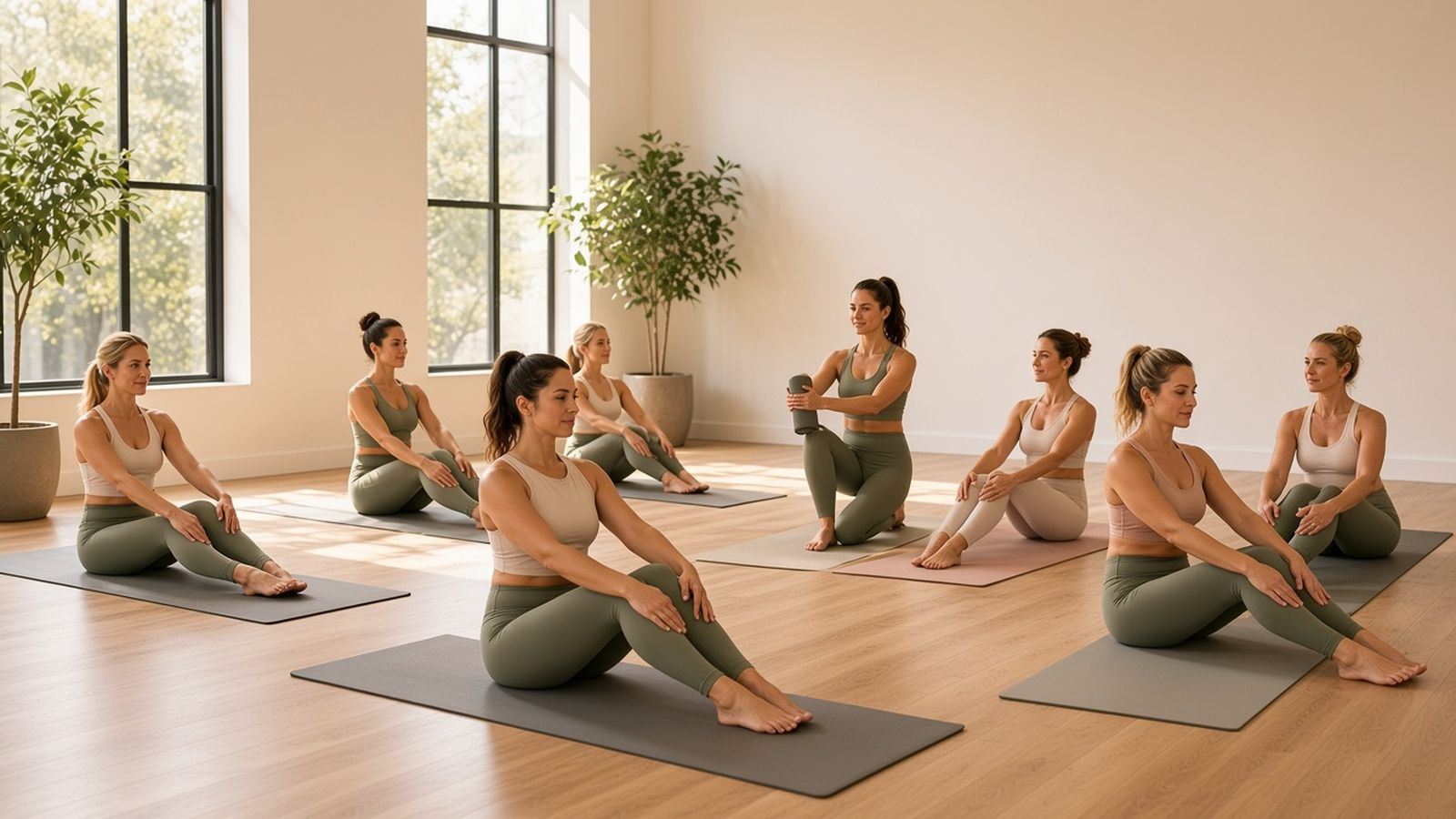
Pilates is a practice with many entry points. This guide is here to offer context without making the experience more complicated than it needs to be.
Interest begins with accessibility
People come to Pilates for many reasons. Someone may want a more attentive way to exercise, a structured return to movement, better body awareness, or a class that feels both challenging and manageable. The method can meet beginners and experienced movers because the work can be adjusted through range, resistance, pace, support, and complexity.
Accessibility is more than a beginner label. It is the daily work of explaining what to expect, offering useful options, and making it clear that participation does not require a particular body or prior experience. Studios that communicate with warmth make it easier for someone to take the first step without feeling they need to understand the entire vocabulary first.
Consistency is built through belonging
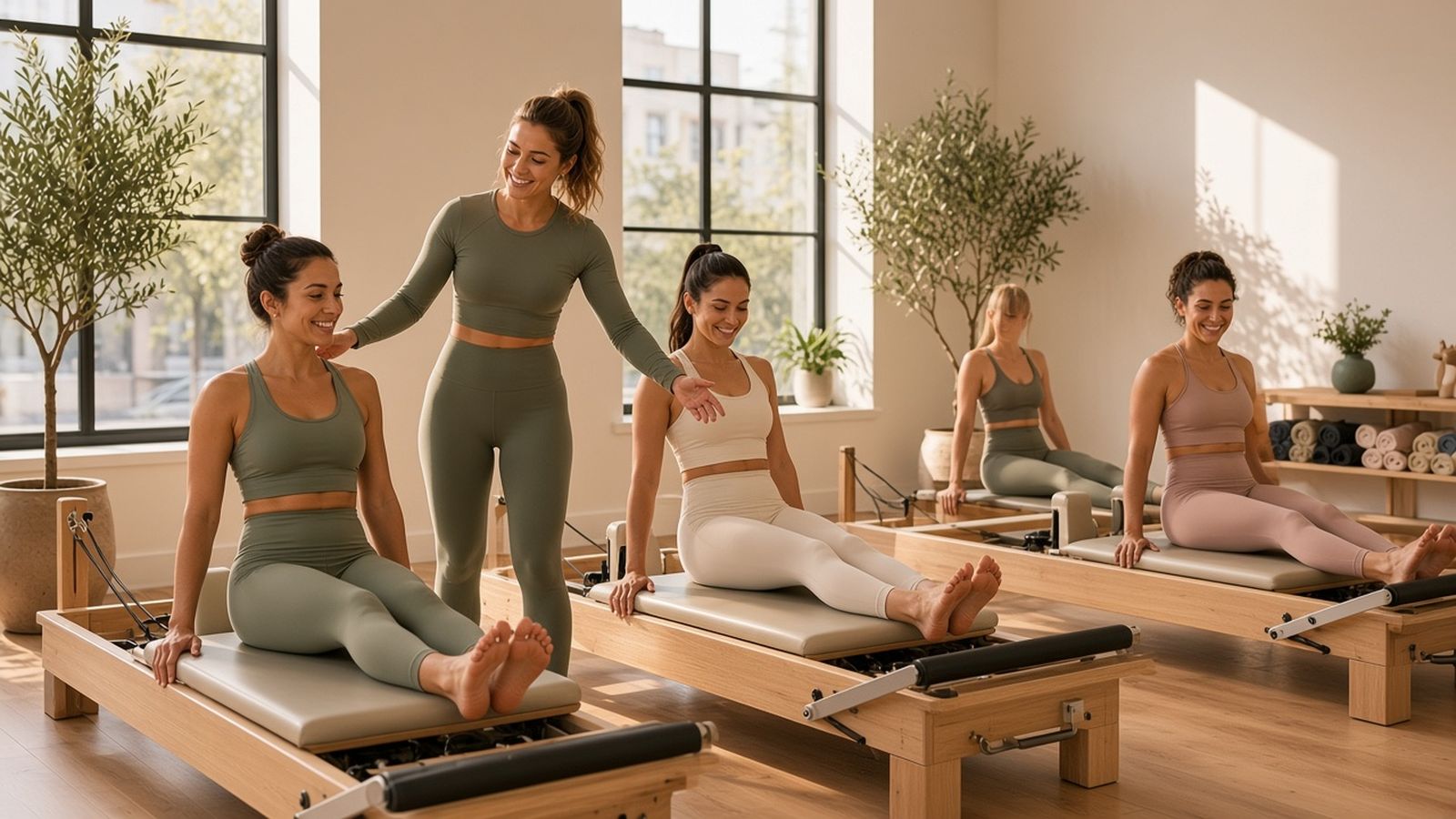
A first class introduces a studio; the ongoing relationship determines whether someone returns. Familiar instructors, a welcoming front desk, clear scheduling, and a sense of progress can turn an appointment into a practice. Small details matter: remembering a name, explaining a spring change, making space for questions, and giving people permission to work at an appropriate level.
Community does not need to be loud or performative. A calm room where people feel respected can be deeply social. Studios can support that feeling through thoughtful orientations, low-pressure workshops, neighborhood partnerships, and language that celebrates showing up rather than comparing performance.
Participation takes many forms
Reformer classes may be the most visible entry point, but mat, private, semi-private, classical, contemporary, and specialty sessions all serve different needs. Some people prefer a predictable weekly class. Others move between formats depending on a busy season, an injury history, a training goal, or simple curiosity.
A healthy industry makes space for these different patterns rather than treating one format as the only legitimate route. A studio might use introductory sessions to explain the method, offer several class intensities, or create a clear progression without making the experience feel like a test. The goal is informed choice and a durable relationship with movement.
What responsible growth looks like
Growth is most useful when the experience grows with it. Studios can protect quality by training instructors well, building realistic schedules, keeping equipment maintained, and listening to feedback. Transparent policies around late arrivals, cancellations, injuries, and class preparation help both staff and clients feel cared for.
For the wider industry, responsible growth also means widening the invitation. Partnerships with allied health professionals, thoughtful content, flexible pricing structures, and a range of class environments can help more people see a place for Pilates in their lives. There is no need to promise a transformation. The practice is compelling when people are supported in noticing what becomes possible over time.