
Pilates is a practice with many entry points. This guide is here to offer context without making the experience more complicated than it needs to be.
Protect the reason people come back
A studio’s most important asset is the experience people have in the room. That experience is shaped by teaching, but also by every interaction around it: booking, arrival, communication, cleanliness, policies, and follow-up. Owners can improve retention by looking at the full journey instead of treating marketing as a separate solution.
Ask a few simple questions regularly. Did a new client understand what to expect? Could they find the studio and prepare for class? Did they know what to do if something did not feel right? Did the team have the information and time needed to welcome them well? Clear answers create confidence, and confidence makes consistency easier.
Make operations visible and humane
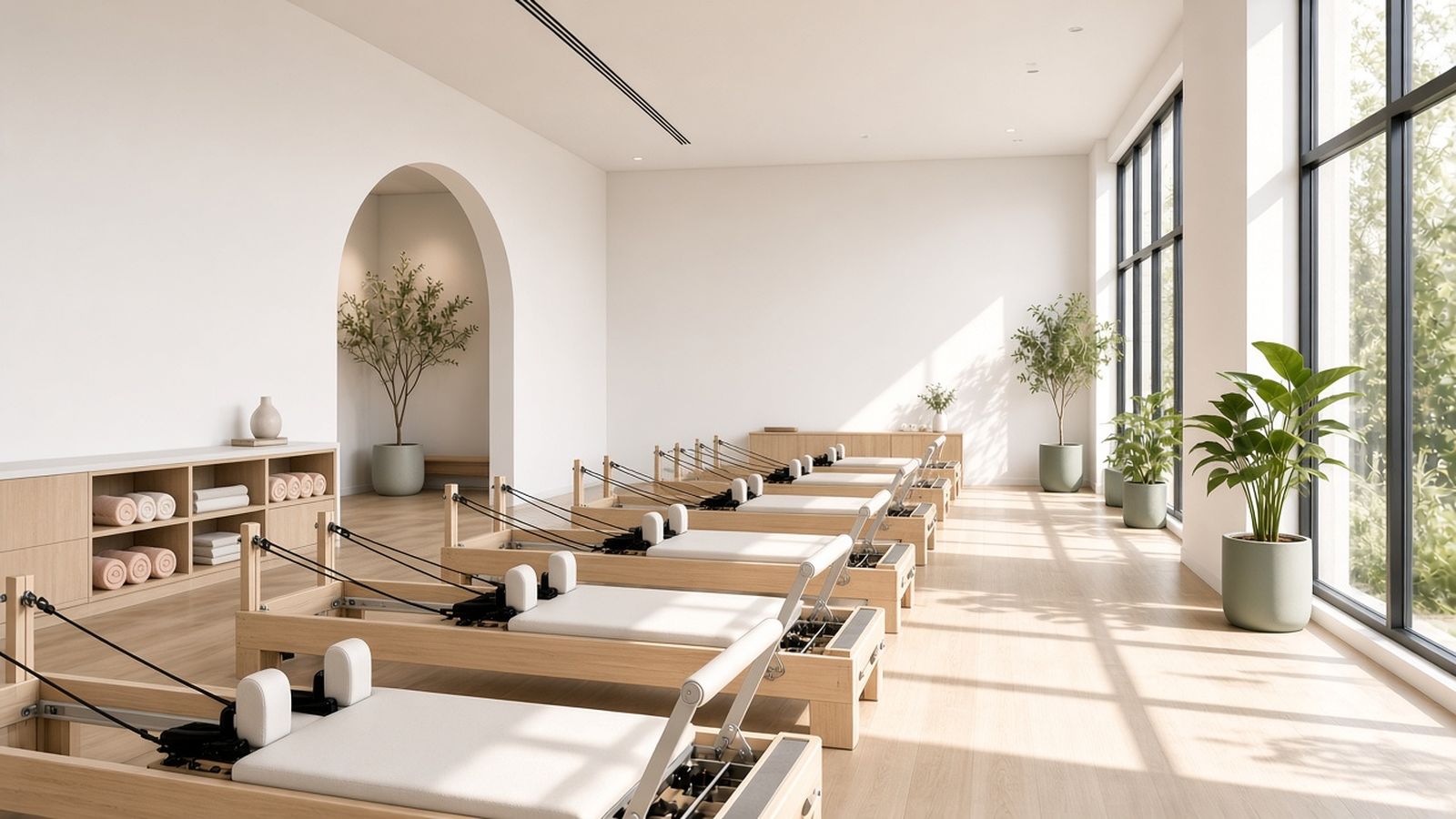
Behind a calm studio is a set of systems. Scheduling, payroll, instructor coverage, equipment care, cleaning, inventory, client notes, and financial review all need a place to live. Keep those systems simple enough for the team to use and documented enough that one person is not carrying the whole business in their head.
A humane operation also respects the people doing the work. Build realistic transition time, encourage continuing education, communicate changes directly, and pay attention to the physical and emotional demands of teaching. A schedule that appears full but leaves instructors depleted is not a sustainable measure of success.
Communicate with specificity
Strong studio marketing does not need exaggerated promises. It can explain who a class is for, what the format feels like, what a first visit involves, and how the studio approaches modifications. Specific language helps the right people recognize themselves and reduces the uncertainty that often keeps someone from booking.
The same principle applies to partnerships and vendor relationships. Share your goals, constraints, timeline, and standards. Ask for clear terms. When a partner understands the actual experience you are trying to create, they can contribute more thoughtfully than they can through a generic pitch.
Keep improving the craft
A studio owner is often balancing multiple roles: teacher, manager, marketer, recruiter, host, and decision-maker. It is reasonable to ask for help with the roles that are not your strength. Bookkeeping, legal review, design, technology, and facilities support can create more room for the work only you can do.
Make improvement a regular practice rather than a reaction to a crisis. Review the schedule, talk with the team, revisit the client journey, and choose a small number of priorities. The Pilates industry is supported by owners who care about both the method and the business that makes the method available. Thoughtful leadership keeps that care sustainable.